Yoga Flow
6 poses

Yoga for Type 2 Diabetes

Twists, folds and abdominal work used in Indian diabetes yoga protocols

Published yoga protocols for type 2 diabetes in India use seated twists, forward bends and poses that gently press the abdomen, practised daily alongside diet and medication. Small studies reported better fasting and after-meal blood sugar.
Practise safely

  • Check your blood sugar and keep a snack nearby, because exercise can lower glucose.
  • Do not change any medication without your doctor.
  • With eye problems (retinopathy), avoid straining or head-down positions.

The sequence

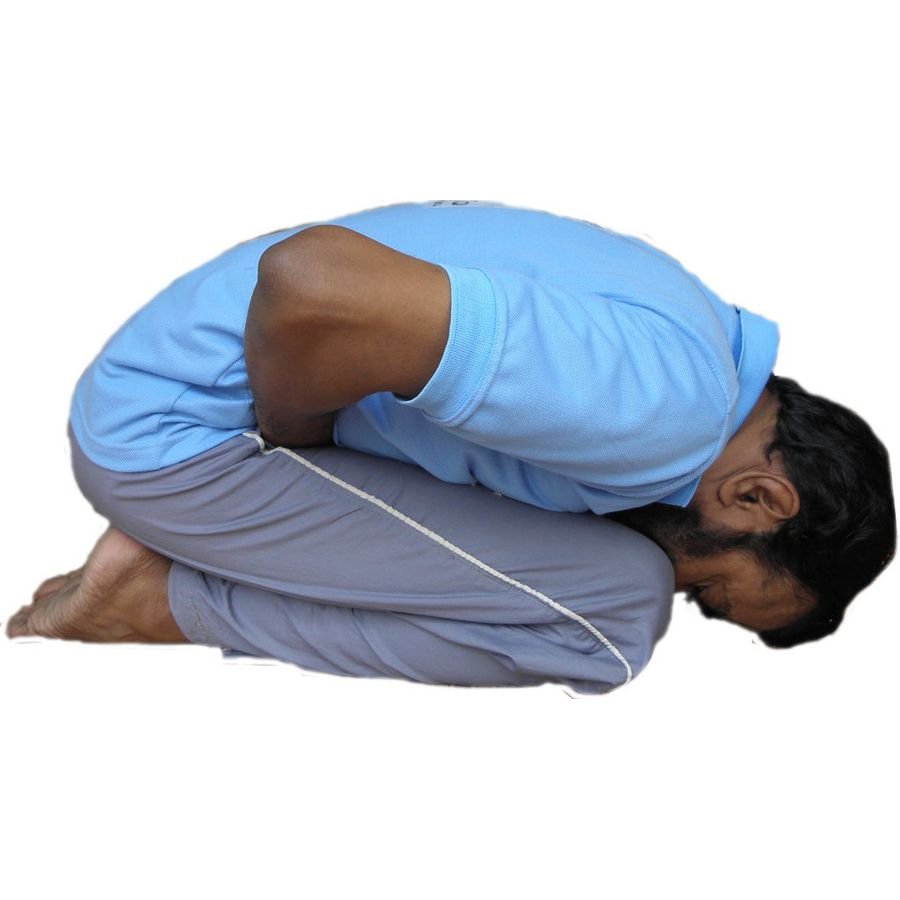
Frog Pose

1. Frog Pose

Mandukasana · 3 × 15s
Gentle abdominal pressure, a key pose in diabetes yoga protocols.
  1. Sit in Vajrasana (on your heels).
  2. Make fists and place them against the navel.
  3. Exhale and bend forward, pressing gently into the abdomen.
  4. Inhale and come back up.
⚠ Avoid after abdominal surgery or with hernia.
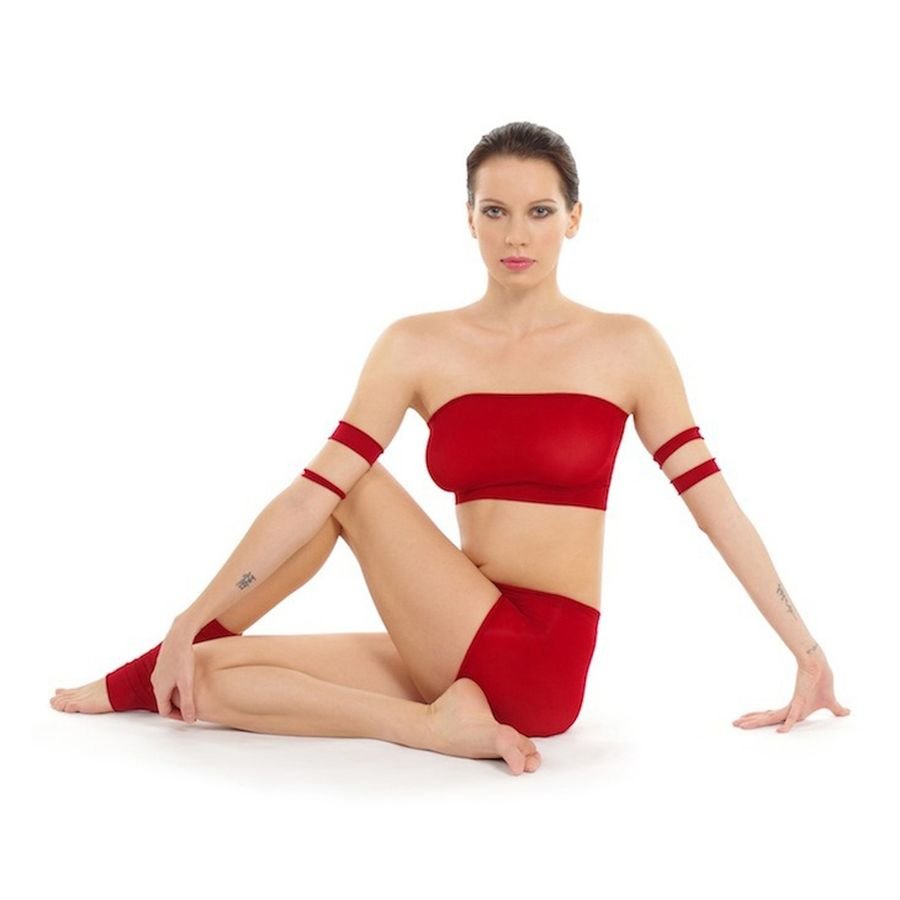
Half Spinal Twist

2. Half Spinal Twist

Ardha Matsyendrasana · 2 × 30s
Twists massage the abdominal organs.
  1. Sit with legs straight; bend the right knee and place the foot outside the left knee.
  2. Hold the right knee with the left arm and place the right hand behind you.
  3. Exhale and twist to the right, keeping the spine tall.
  4. Repeat on the other side.
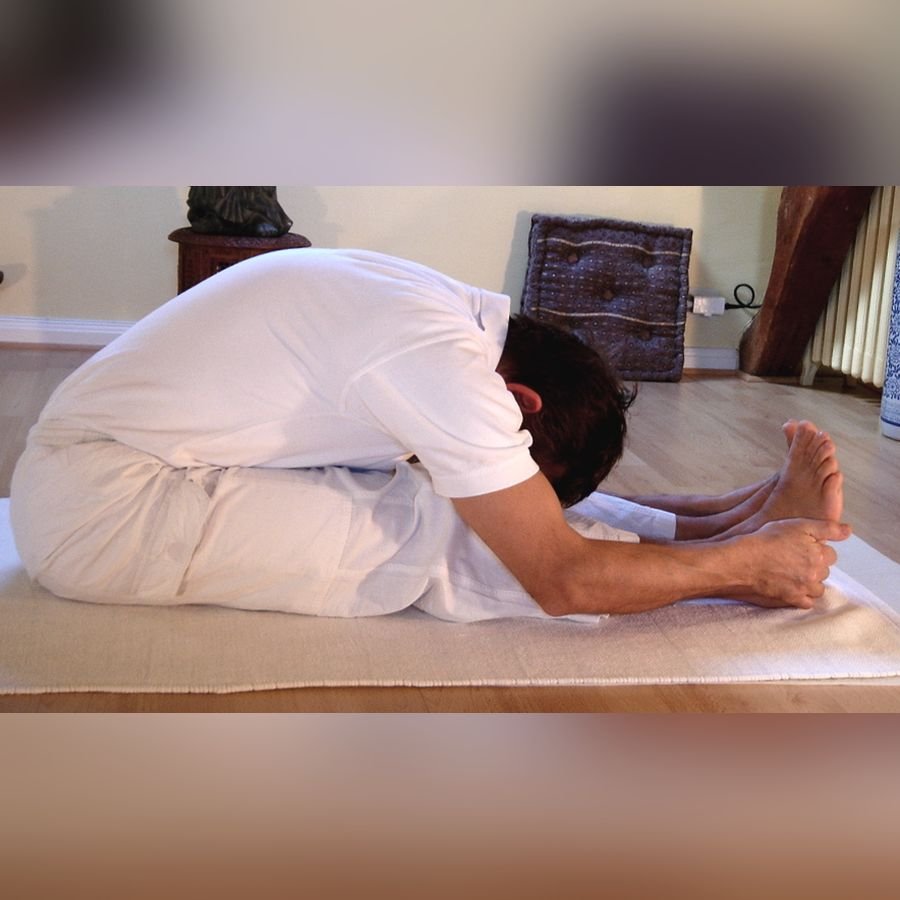
Seated Forward Bend

3. Seated Forward Bend

Paschimottanasana · 2 × 30s
Stretches the back and compresses the abdomen.
  1. Sit with legs straight together.
  2. Inhale and lengthen the spine, then exhale and fold from the hips.
  3. Hold the shins, ankles or feet; bend the knees if needed.
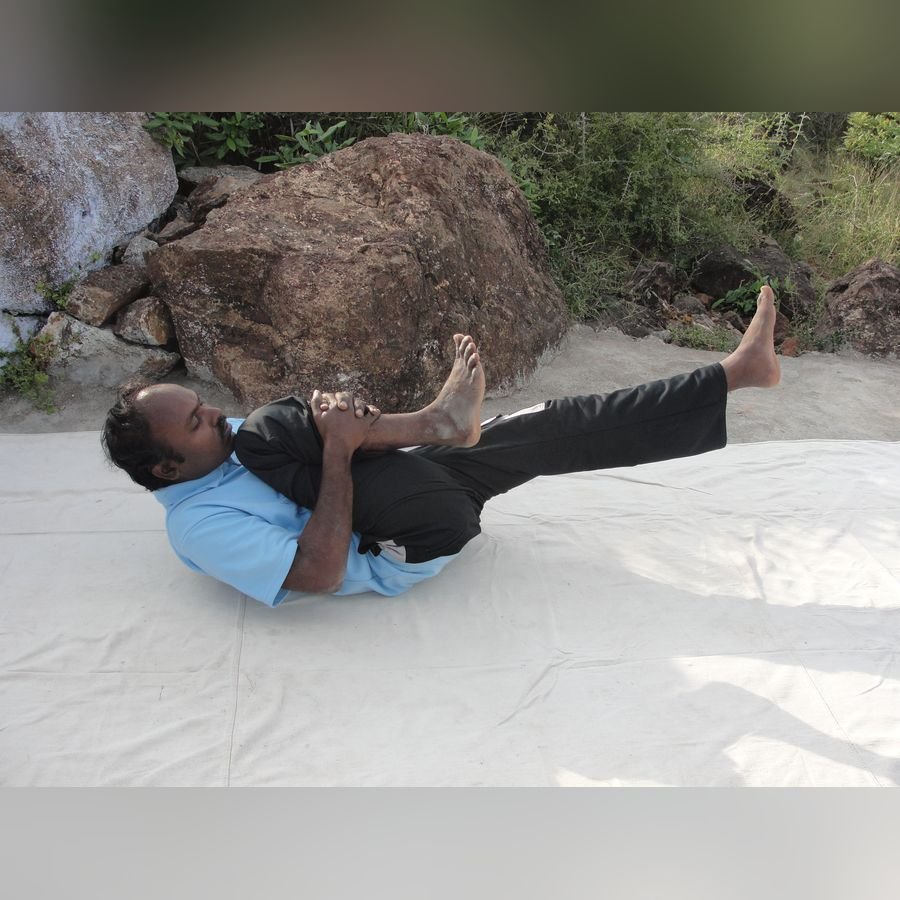
Wind-Relieving Pose

4. Wind-Relieving Pose

Pawanmuktasana · 3 × 20s
Massages the abdomen and supports digestion.
  1. Lie on your back.
  2. Bend the right knee and hug it to the chest.
  3. Optionally lift the head towards the knee.
  4. Switch legs, then do both together.
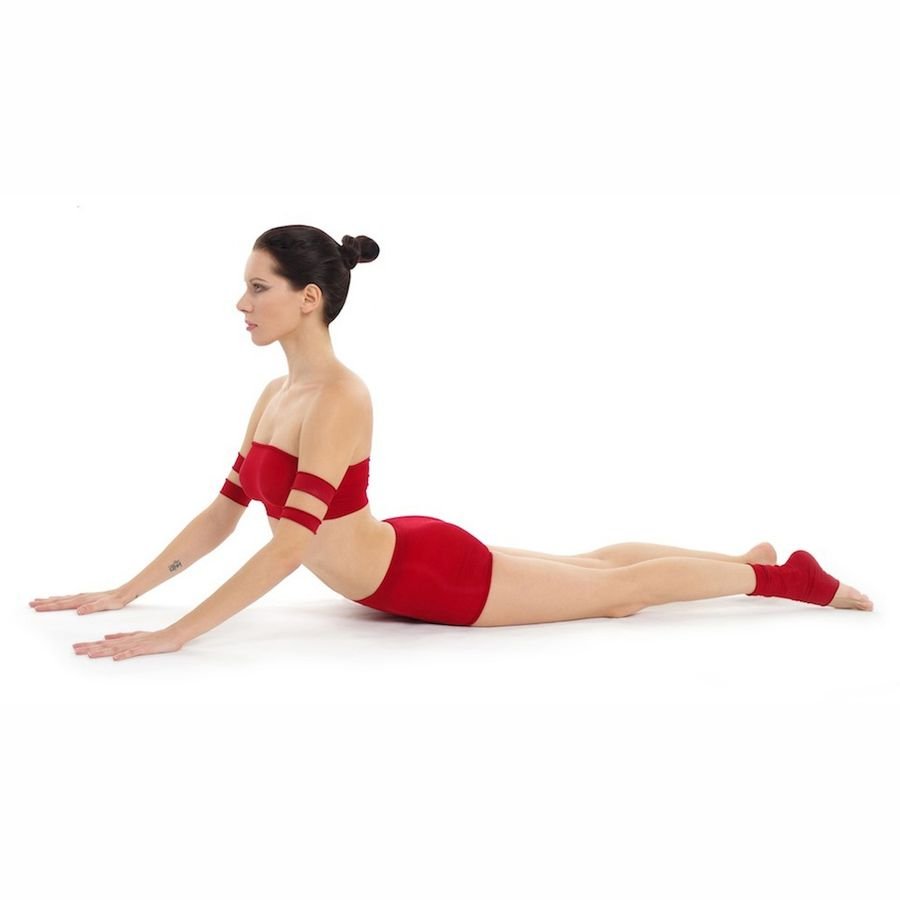
Cobra Pose

5. Cobra Pose

Bhujangasana · 3 × 20s
Stretches the abdomen and strengthens the back.
  1. Lie on your belly, palms under the shoulders.
  2. Inhale and lift the chest, keeping the elbows bent.
  3. Keep the hips and legs on the floor.
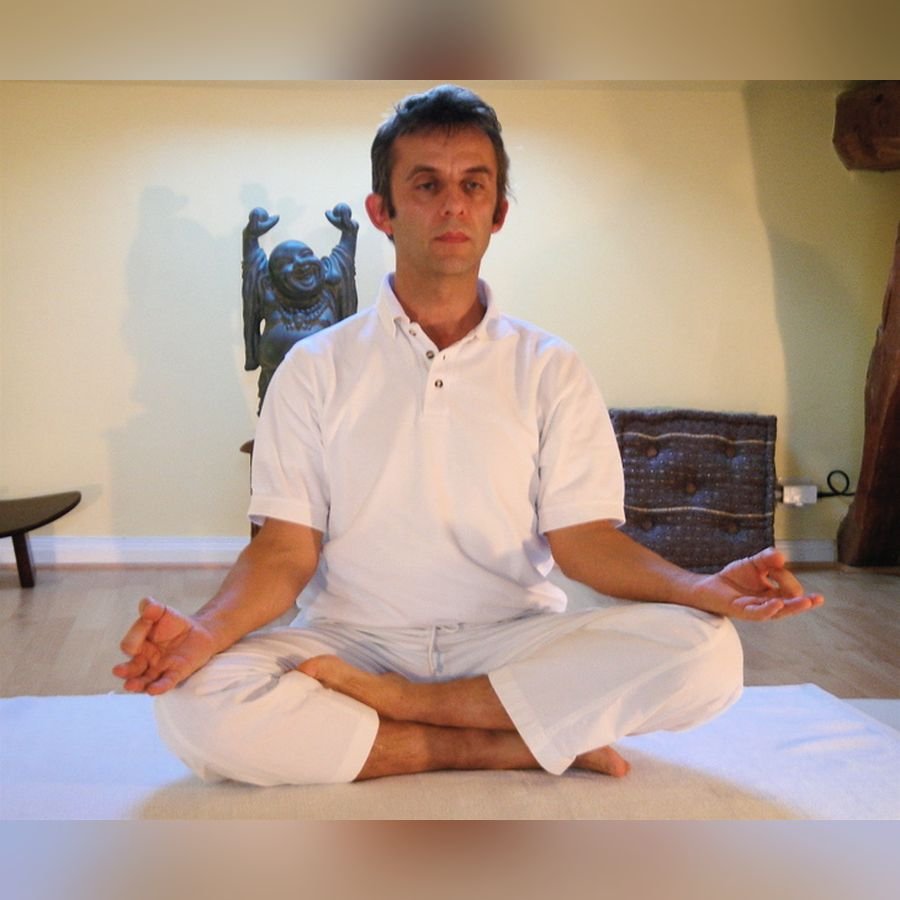
Skull-Shining Breath

6. Skull-Shining Breath

Sukhasana · 2 × 60s
An active abdominal breath used in diabetes protocols.
  1. Sit tall with the hands on the knees.
  2. Exhale forcefully through the nose by pulling the belly in.
  3. Let the inhale happen on its own.
  4. Start with about one exhale per second.
⚠ Skip it with high blood pressure, heart disease, hernia or pregnancy.

Home care & lifestyle

✦

Choose high-fibre foods

Fruit, vegetables, wholegrains like oats and wholemeal bread, and pulses like lentils and chickpeas.

✦

Change your diet gradually

One small change a week is easier to keep than an overhaul.

✦

Get active for 2.5 hours a week

Walking or any activity that leaves you a bit out of breath, spread across the week.

✦

Lose weight if you need to

Weight loss can sometimes bring blood sugar back to normal (remission).

✦

Keep up your check-ups

An HbA1c test every 3 to 6 months, regular foot checks and dental check-ups.

Try to avoid

  • Processed foods high in salt and sugar, like sweets, biscuits, chips and bacon
  • Starting a very strict, low-calorie diet without medical advice, especially if you take insulin or diabetes medicine
  • Smoking and drinking too much alcohol

See a doctor if

  • Your sugar readings are often above the target you were given
  • A cut or sore on your foot is not healing
  • You are finding it hard to change your diet; ask about local support

Get urgent help if

  • You take diabetes medicine and have vomiting, diarrhoea or a high temperature
  • Signs of a severe hypo (confusion, a fit or passing out): call emergency services

Sources