Yoga Flow
6 poses

Yoga for Stress & Anxiety

Slow the breath and settle the nervous system

Calming yoga combines slow breathing, gentle forward bends and deep relaxation. India’s national yoga institute (MDNIY) mental-health protocol pairs postures like these with alternate-nostril breathing, humming-bee breath and relaxation.
Practise safely

  • Yoga supports, but does not replace, care for anxiety or depression.
  • If breathing exercises make you dizzy or anxious, return to normal breathing.
  • For legs up the wall, skip the pose if you have glaucoma or are told to avoid inversions.

The sequence

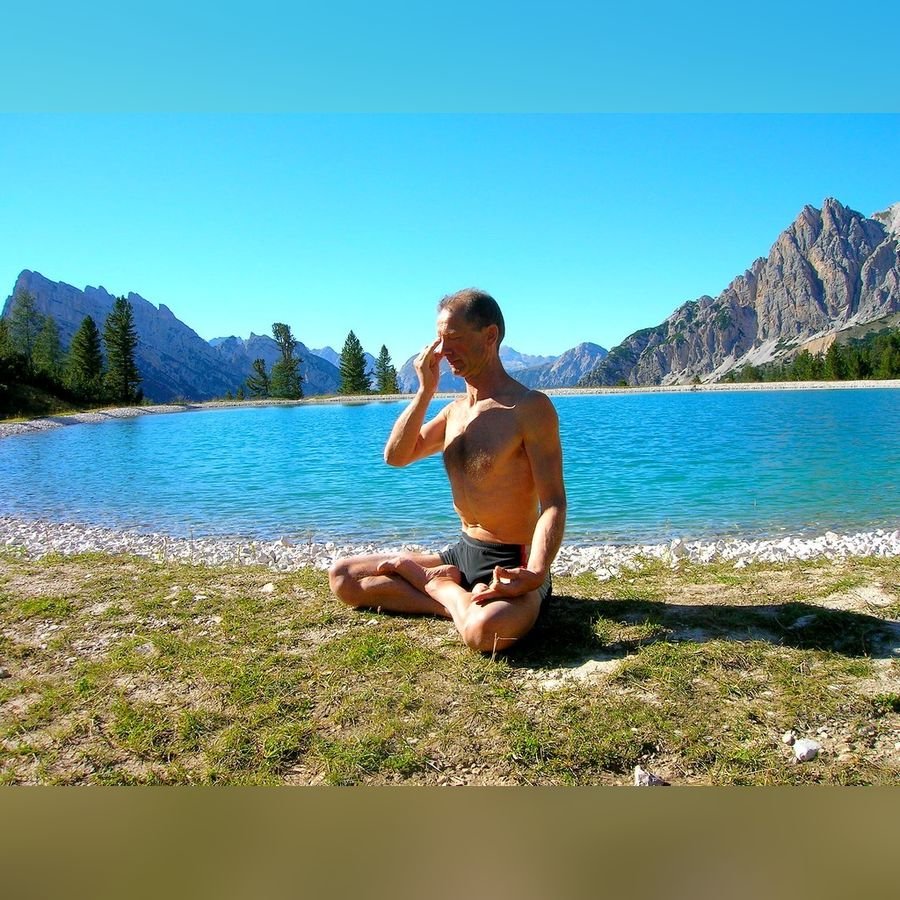
Alternate Nostril Breathing

1. Alternate Nostril Breathing

Nadi Shodhana · 1 × 120s
Balances and slows the breath, which calms the mind.
  1. Sit tall and comfortable.
  2. Close the right nostril with the thumb and inhale through the left.
  3. Close the left nostril, release the right and exhale.
  4. Inhale right, switch, exhale left. That is one round.
Standing Forward Fold

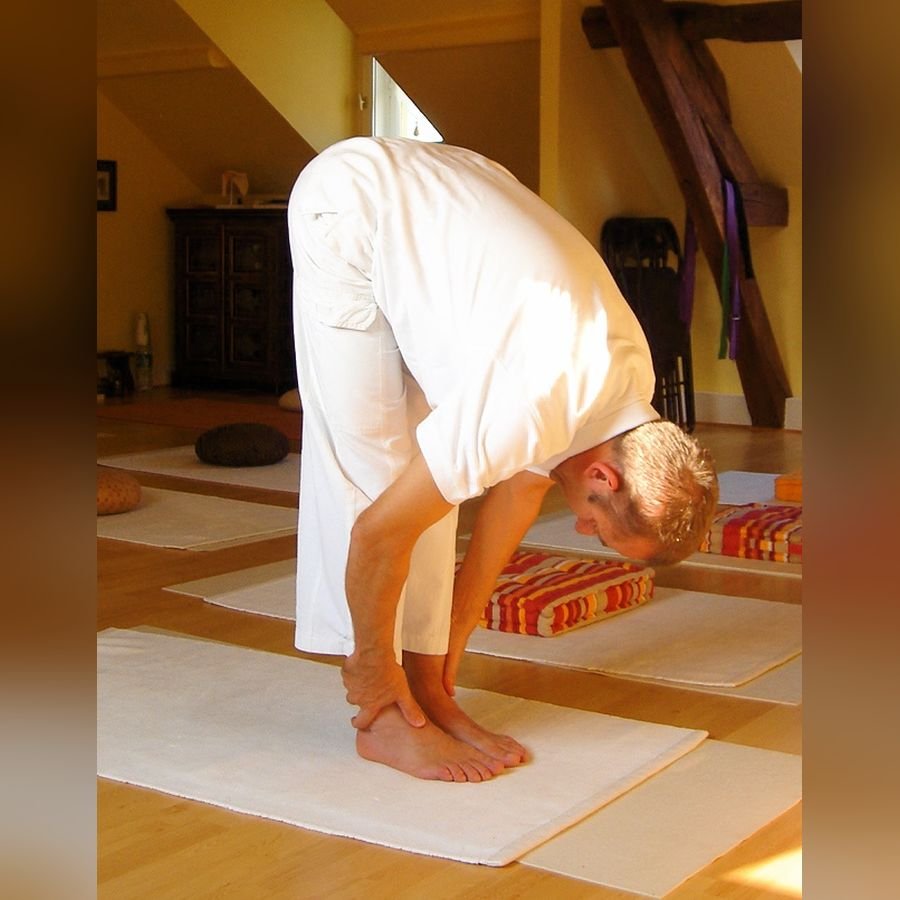
2. Standing Forward Fold

Uttanasana · 2 × 30s
Releases the neck and back and quiets the mind.
  1. Stand with feet hip-width apart.
  2. Exhale and fold forward from the hips, knees softly bent.
  3. Let the head and arms hang heavy.
  4. Roll up slowly to come out.
⚠ Come up slowly if you have low blood pressure.
Child’s Pose

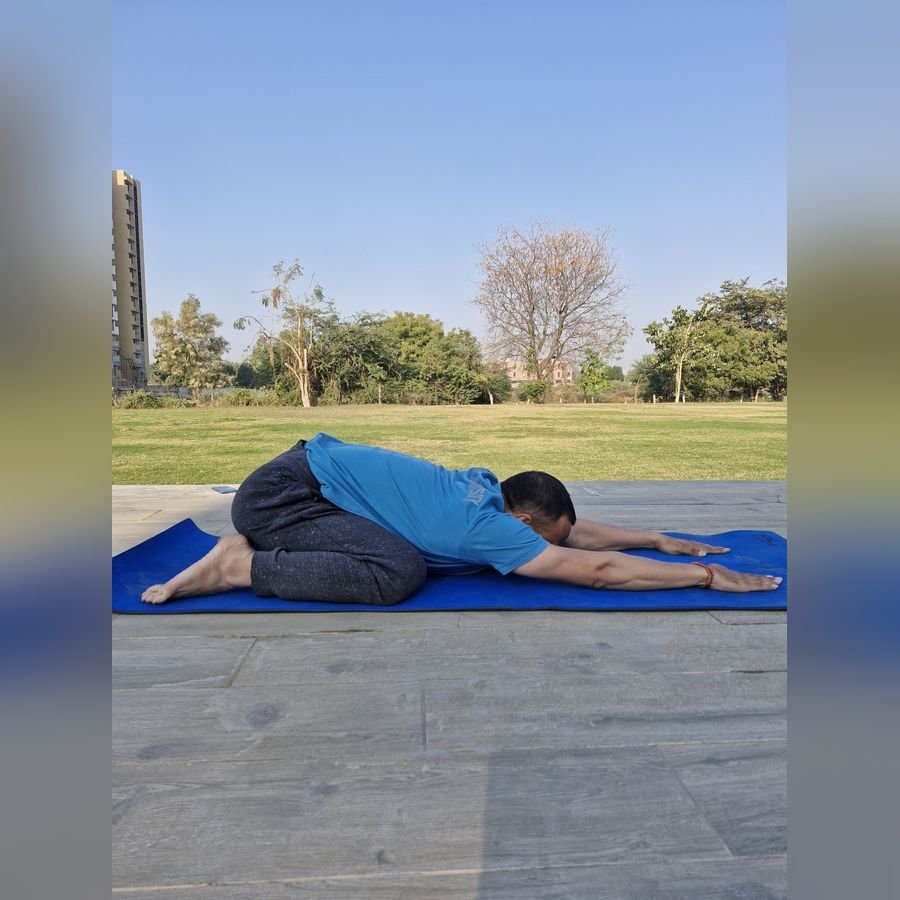
3. Child’s Pose

Balasana · 1 × 60s
A soothing, grounding rest pose.
  1. Kneel and sit back on the heels.
  2. Fold forward with the forehead resting down.
  3. Arms rest by the sides, palms up.
  4. Breathe slowly into the back.
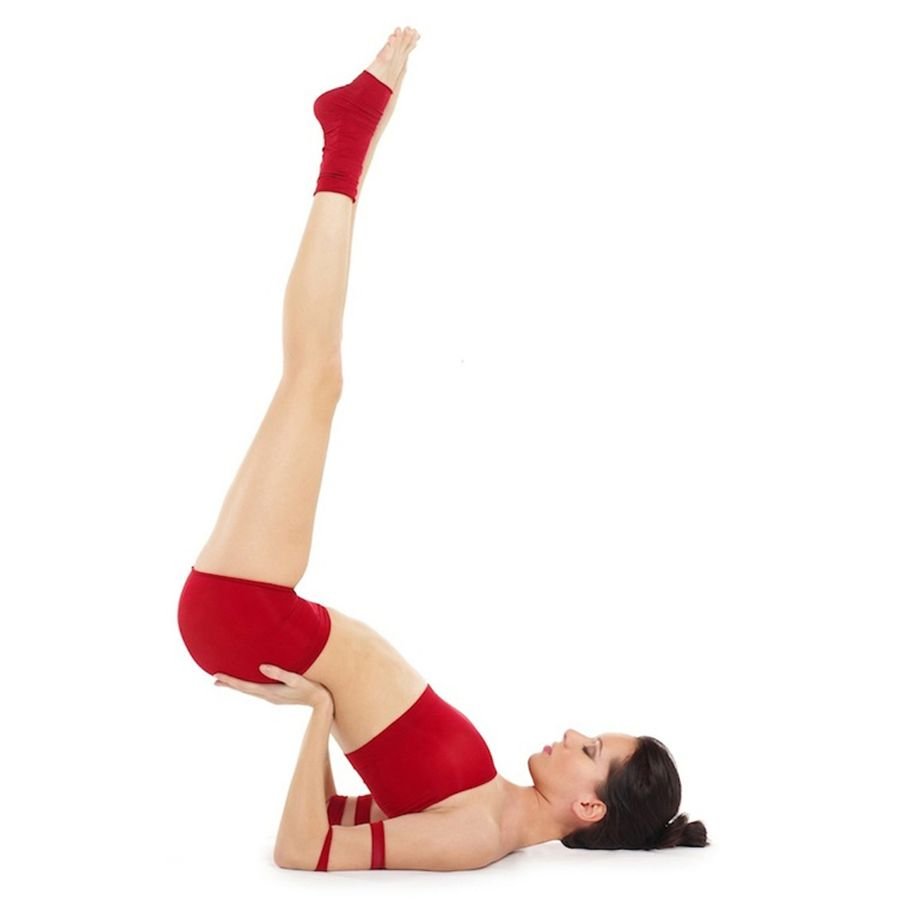
Legs Up the Wall

4. Legs Up the Wall

Viparita Karani · 1 × 120s
A restorative pose that eases tiredness and tension.
  1. Sit sideways next to a wall.
  2. Swing your legs up the wall as you lie back.
  3. Rest the arms out to the sides and close the eyes.
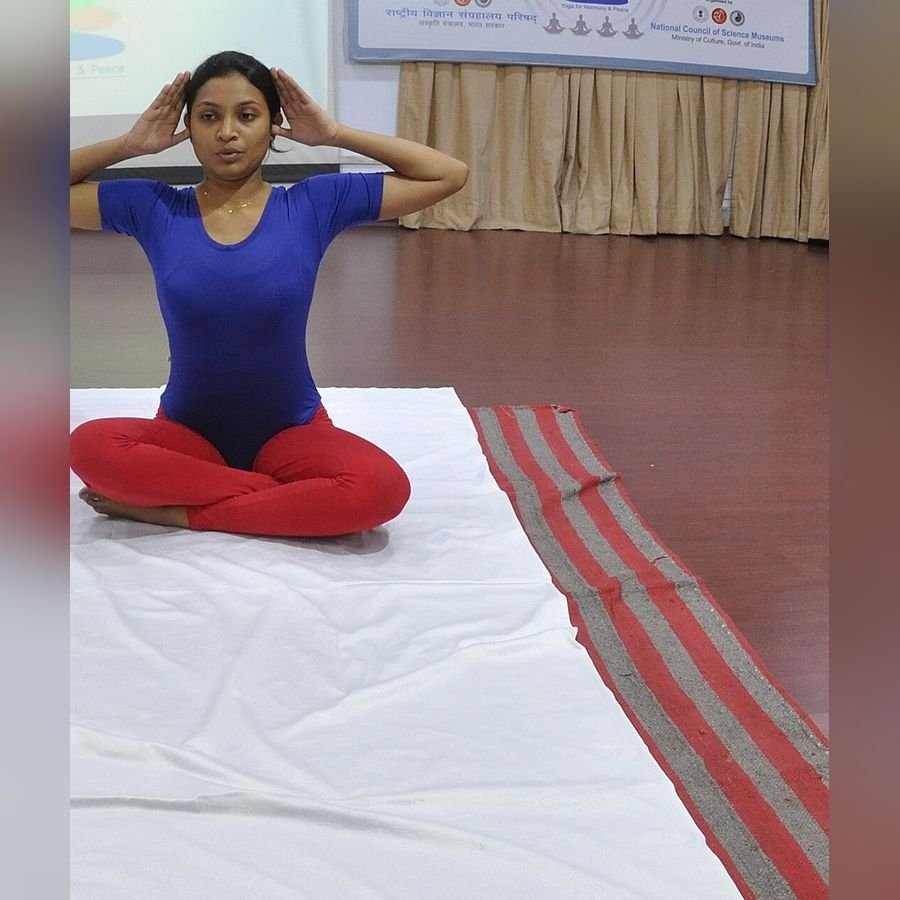
Humming Bee Breath

5. Humming Bee Breath

Bhramari · 1 × 90s
The humming exhale lengthens the breath and settles the mind.
  1. Sit tall and close the eyes.
  2. Gently close the ears with the thumbs.
  3. Inhale, then exhale with a steady, low humming sound.
  4. Feel the vibration; repeat slowly.
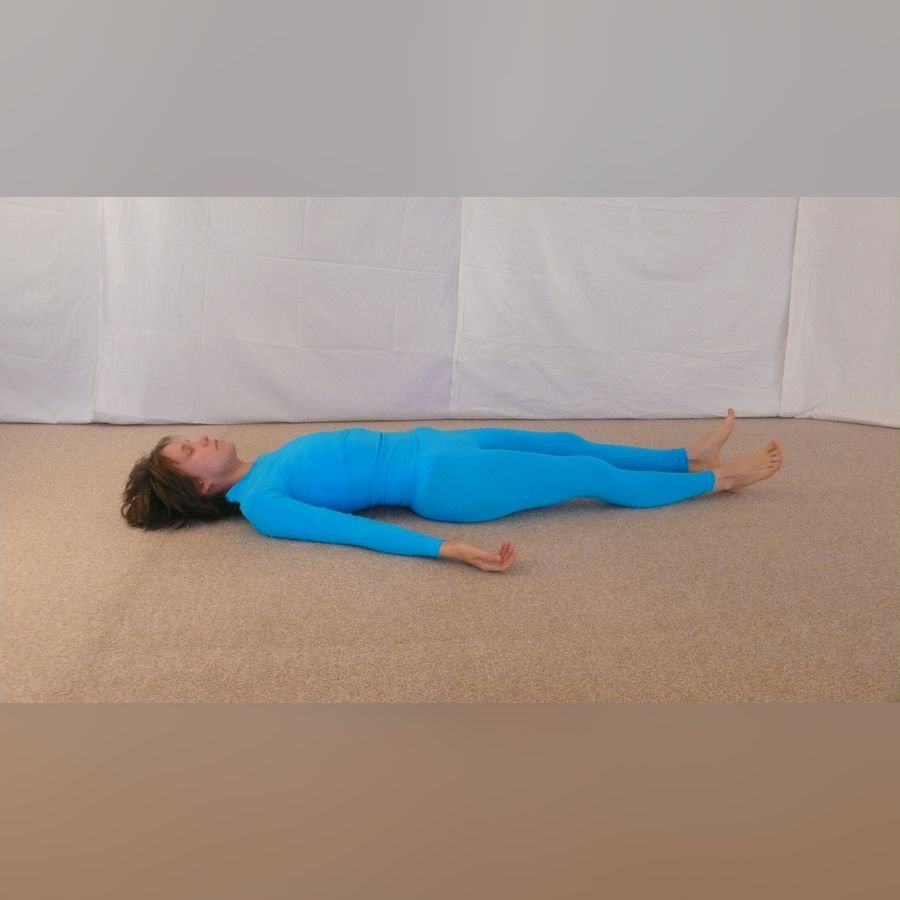
Deep Relaxation

6. Deep Relaxation

Shavasana · 1 × 180s
Deep rest for the body and the nervous system.
  1. Lie on your back, legs apart, arms away from the body.
  2. Close the eyes and let the body feel heavy.
  3. Relax from the toes to the head, part by part.

Home care & lifestyle

✦

Be active

Exercise will not make stress disappear, but it lowers the emotional intensity so you can deal with problems more calmly.

✦

Connect with people

Talking things through with friends, family or colleagues can help you see a problem differently.

✦

Take control of what you can

Focus on the steps you can act on. Prioritise what matters and accept that you will not have time for everything.

✦

Make time for yourself

Set aside a couple of evenings a week for relaxation, hobbies or exercise.

✦

Write down 3 good things

At the end of each day, note 3 things that went well or that you are grateful for.

Try to avoid

  • Relying on alcohol, smoking or caffeine to cope
  • Ignoring the cause of your stress

See a doctor if

  • Stress or anxiety affects your sleep, work or relationships for several weeks
  • Self-help is not working; talking therapies such as CBT can help

Get urgent help if

  • You are thinking about harming yourself: call your local emergency number or a crisis helpline now

Sources

From the blog

Articles on Stress & Anxiety

All →